Context
Scientific evidence has clearly demonstrated that deterioration of ambient air quality, due to the growing concentration of pollutant substances in the lower atmosphere, has increased the number of deaths worldwide. According to the European Environmental Agency, ambient air pollution remains the first environmental cause of death in the EU, still leading to about 400,000 premature deaths each year. Particulate matter (PM) has been pinpoint among the most spread and harmful pollutants to human and ecosystems health. PM has complex emission patterns involving most of the core production and consumption systems such as road transport, power plants, industry, and households. Furthermore, a significant component of the total PM (secondary PM) is generated by chemical reactions of precursor gaseous pollutants in the atmosphere. In addition to the long residence time and long-range transport of PM in the ambient air, the heterogeneity of emission sources further complicates the understanding of PM spatio-temporal dynamics which are critical to quantify the exposure risk.
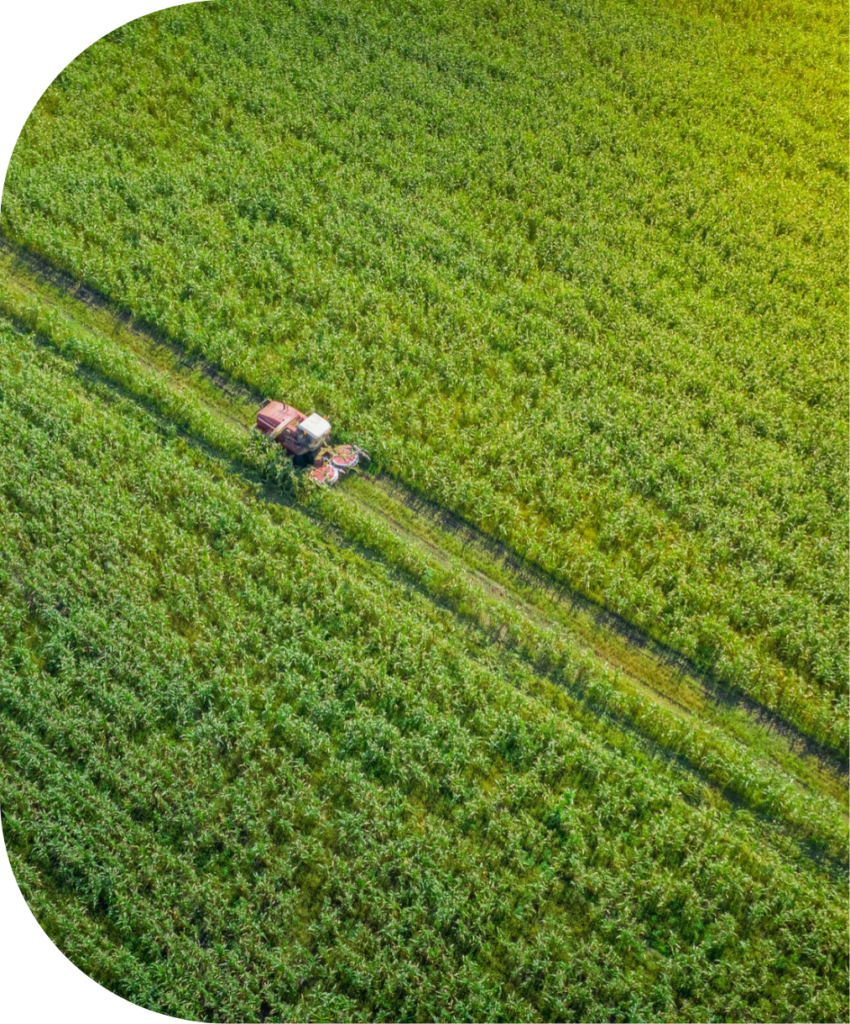
A substantial contribution to PM emissions is imputable to intensive farming activities, especially due to the prevailing ammonia emissions deriving from animal housing and harvesting practices. In view of the above, the D-DUST project focuses on the development of new means to improve both understanding and local monitoring of farming-related PM. The project considers the Po Valley portion belonging to the Lombardy Region as a testbed for the activities. The aim of D-DUST is to assess the contribution (in terms operability, cost-effectiveness, and accuracy improvement) deriving by the systematic integration of non-conventional data, with a focus on satellite-based PM estimates, into traditional PM monitoring frameworks based on fixed ground-sensors. Data ingestion to support traditional PM monitoring and modelling will take the best advantage of data science techniques throughout the combination of machine-learning and geostatistical models. Reproducibility of the research activities will be promoted by openly distributing most meaningful analysis data and leveraging the use of free and open-source software technologies along the whole data analysis process.
The ultimate project goal is to develop data-driven best-practices to be transferred to operational air quality monitoring and policymaking, by spelling out data requirements, analysis patterns, software and hardware equipment, and technical skills that are demanded to operate the proposed methods. The availability of these new informational assets opens newsworthy opportunities for involving regional policymakers, farming operators, and citizens to co-create best practices targeting the minimization of production processes’ effects on air quality.